






Roof Racks & Crossbars Buying Guide
Start with your roof, not the rack
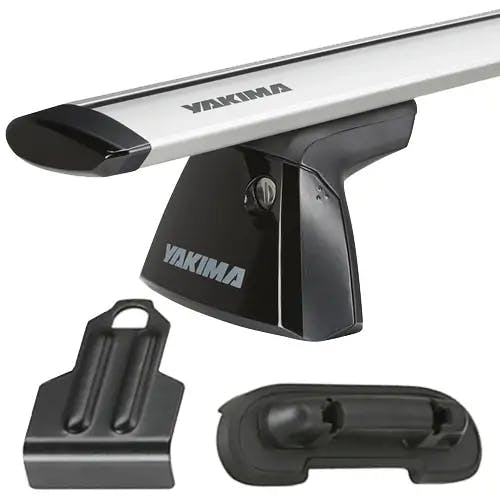
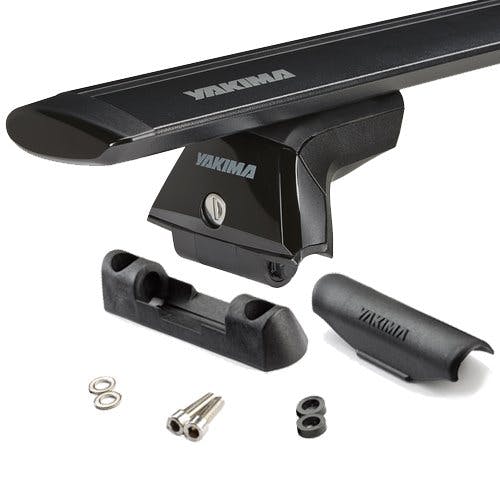
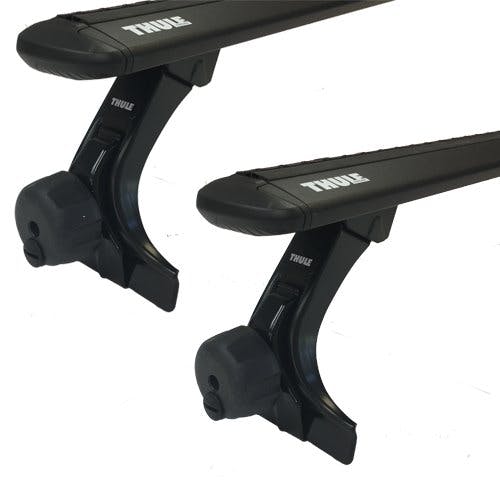
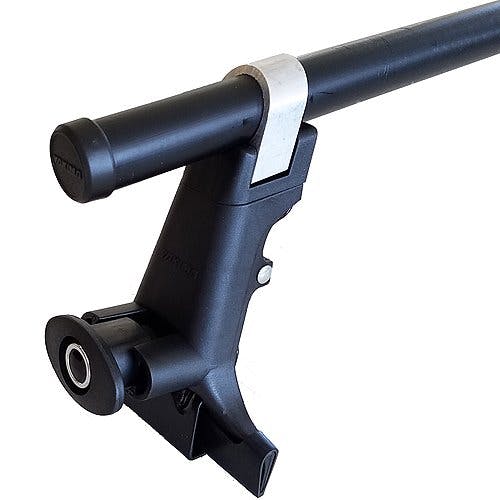
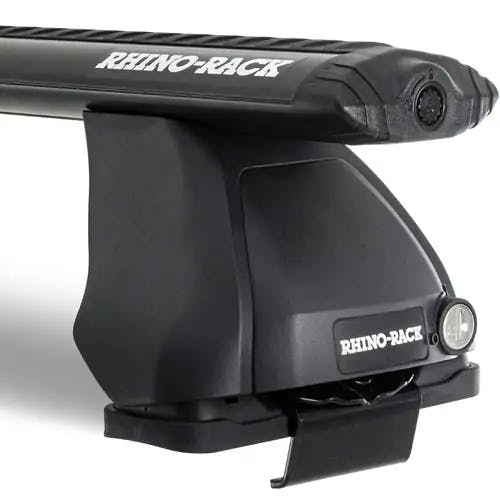
A roof rack is three parts, and only one of them depends on your vehicle. Crossbars carry the load. Towers, also called feet, hold the bars up. Between the towers and the roof sits a fit kit, and that is the vehicle-specific piece: the clips, pads or brackets cut for your year, make, model and roof.
This is why the first question is never which rack, it is what your roof gives you to attach to. Six roof types cover almost every vehicle on the road, and each one takes a different kind of foot. Get that right and the rest is preference.
It is also why a rack outlasts a vehicle. When you change cars, the bars and towers usually carry over and only the fit kit is replaced, which is a far smaller purchase than starting again.
Find your roof type
| Roof type | How to recognise it | What mounts to it |
|---|---|---|
| Bare roof | Nothing on the roof at all, just painted metal and the door frames | Clamp-on towers that grip the door frame through vehicle-specific clips |
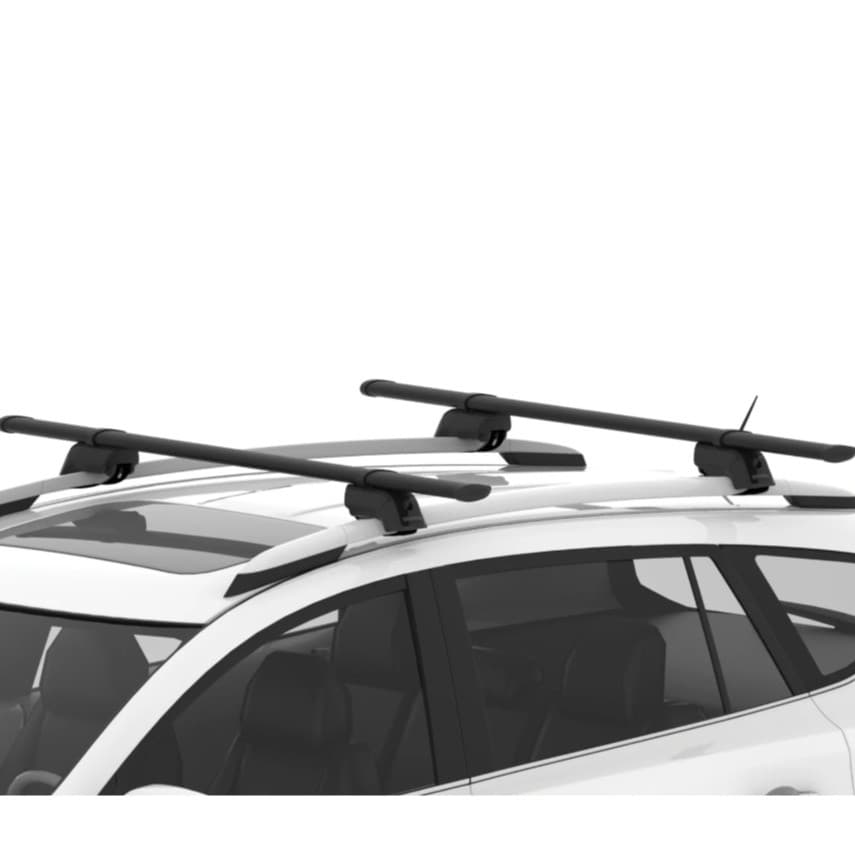
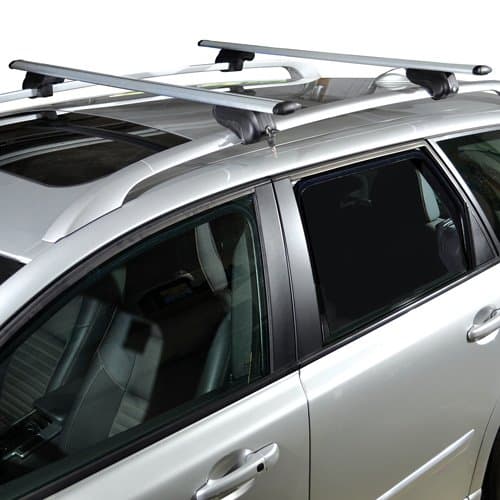
| Raised side rails | Two rails front to back with a visible gap underneath, enough to get your hand through | Towers that clamp right around the rail, the most straightforward fit there is |
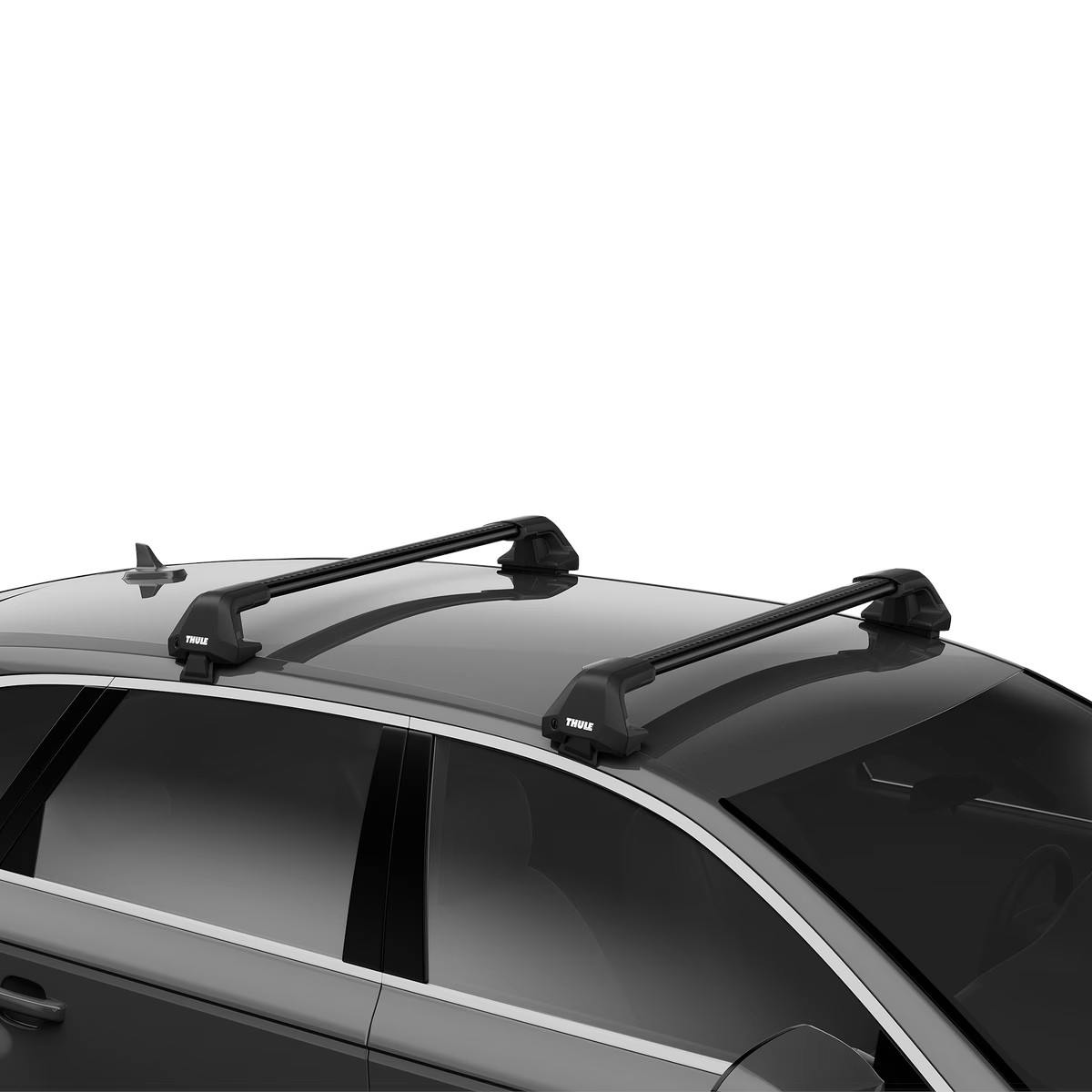
| Flush side rails | Two rails front to back sitting flat on the roof with no gap under them | A fit kit that grips the rail itself or the hidden points beneath it |
| Fixed points | Small covered pads in the door frame or roof, often under plastic caps | Feet that bolt straight down into the factory points |
| Factory tracks | A recessed channel running along the roof, sometimes covered by a strip | Feet with sliders that run inside the track |
| Rain gutters | An exposed lip running along the roof edge, common on older vans and trucks | Tall gutter-mount towers that hook over the lip |
Choosing bars once the fit is settled
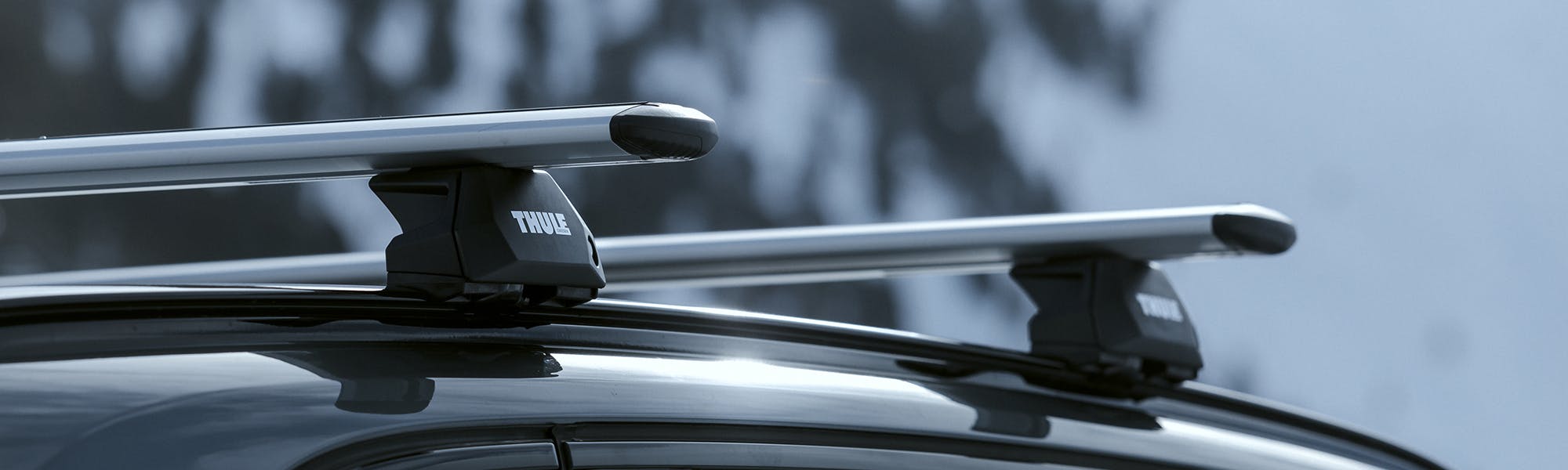
Once the roof type has narrowed the towers, the bars are the part you actually choose. Round and square bars are the older shapes and the least expensive, and they still carry anything. Aero bars are wing-shaped, noticeably quieter at speed and easier on fuel, and most of them carry a T-slot channel along the top so carriers bolt directly into the bar instead of clamping around it.
Length matters more than people expect. A longer bar gives you room for two bikes and a box, or a wide kayak cradle, but it also overhangs the roof and can catch a door or a garage frame. If you already know what is going on top, pick the bar length around the widest thing you will carry.
Whatever you choose, the limit on how much you can carry is your vehicle's roof rating, not the rack's. The two are different numbers and the lower one wins.
Common questions
How do I tell a flush rail from a raised rail?
Try to slide your hand under the rail. If there is a gap between the rail and the roof, it is a raised rail. If the rail sits flat against the roof with no gap, it is flush. They take different fit kits, so it is worth checking rather than guessing.
Can I keep my existing rack when I change vehicles?
Usually, yes. The crossbars and towers are not vehicle-specific; the fit kit is. Moving a rack to a different vehicle is normally a matter of buying the clips or brackets for the new roof, provided the new roof is a type your towers support.
How much weight can I put on the roof?
Your vehicle's roof load rating is the limit, and it is often lower than what the rack itself is rated to carry. Check the owner's manual. Note the rating applies while driving; a parked vehicle can hold considerably more, which is what matters for a rooftop tent.
Will a roof rack make the car noisy?
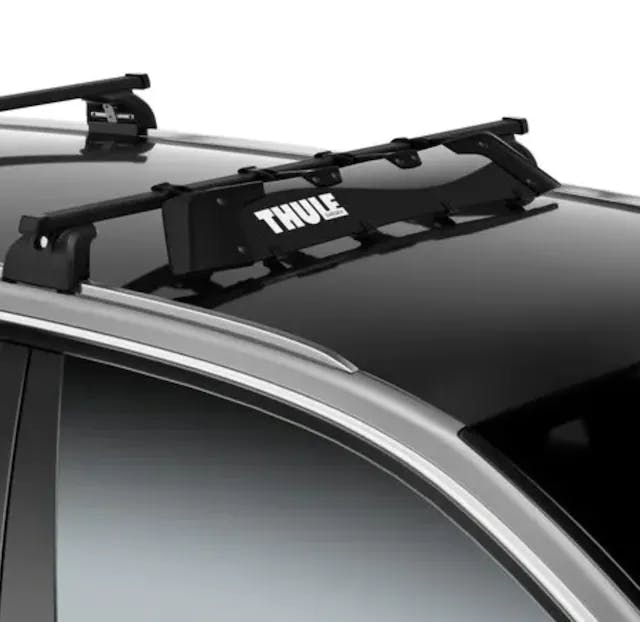
Bare round and square bars whistle at highway speed. Aero bars are much quieter, and a fairing in front of the bars cuts the noise further. Any rack costs some fuel economy, so if the roof sits empty for months at a time it is worth taking the bars off.
Do I need the factory rails removed first?
No. Factory rails are what most aftermarket towers attach to. Removing them is only relevant on a few vehicles where a fixed-point or track fit gives a lower, quieter result, and that is a per-vehicle question worth calling us about.